Death by Oxalic Acid
Oxalic acid is a constituent of many household products — it turns up in disinfectants, bleach, metal cleaners, and even in everyday foods. Despite its ubiquity, few people realise just how dangerous this simple dicarboxylic acid can be.
Where It's Found
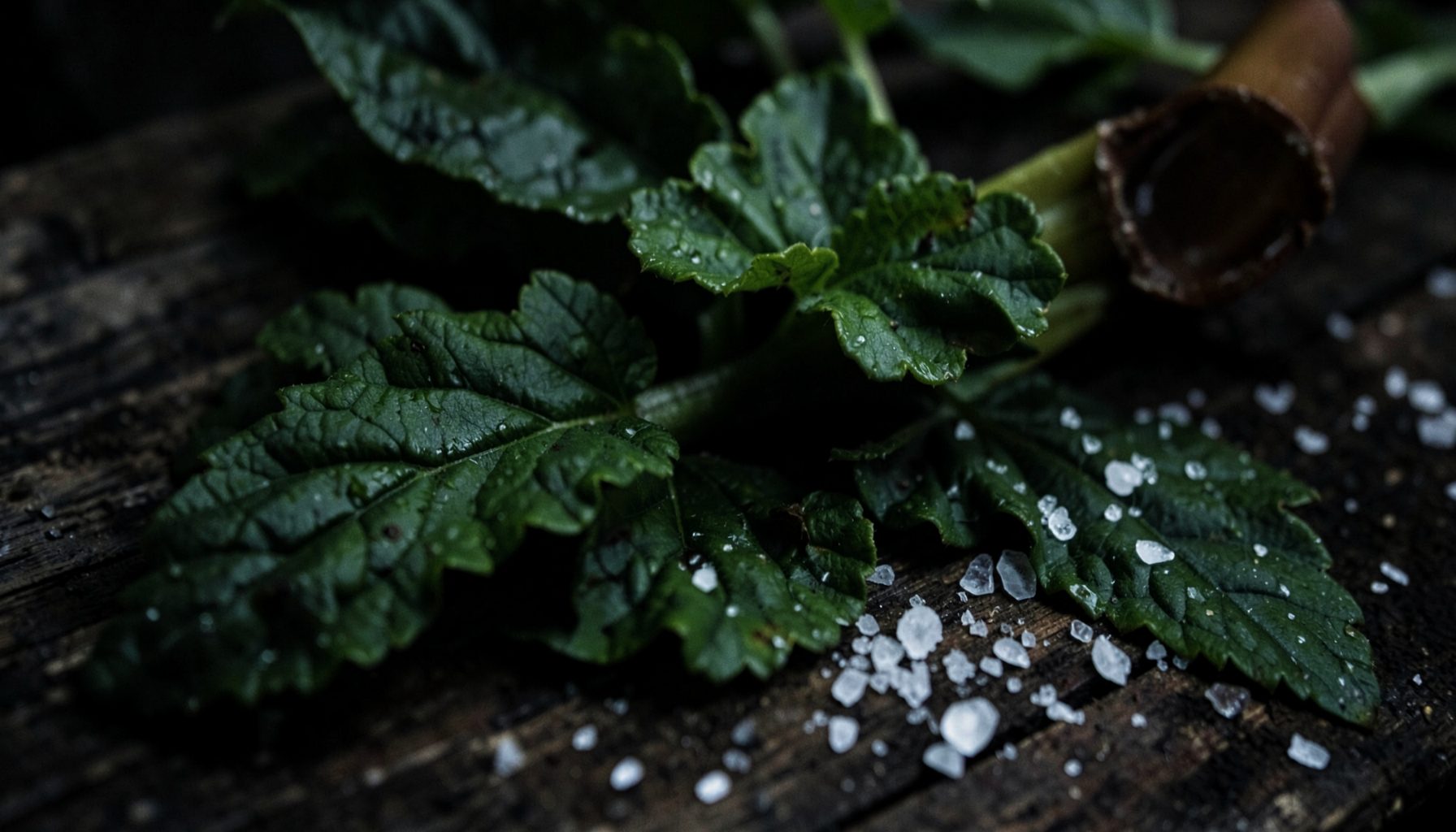
Oxalic acid occurs naturally in several plants, most notably sorrel (Oxalis), rhubarb leaves, and spinach. The compound was first named by the French chemist Antoine Lavoisier in 1787, drawing from the Greek word Oxalis — a nod to the wood-sorrel plant from which it was originally isolated. In the home, it appears in cleaning agents, rust removers, and bleaching preparations.
Toxicological Effects
When ingested in sufficient quantity, oxalic acid acts as a corrosive poison. It binds with calcium in the body to form insoluble calcium oxalate crystals, which can obstruct renal tubules and lead to acute kidney failure. The lethal dose for an adult is estimated to be in the range of 5–15 grams, though survival depends heavily on the concentration ingested and the speed of medical intervention.
Forensic note: Calcium oxalate crystals can be detected in tissue samples and stomach contents post-mortem, providing a key marker for forensic toxicologists investigating suspected oxalic acid poisoning.
Why It Matters
Because oxalic acid is so readily available — in cleaning cupboards and garden beds alike — awareness of its toxicity is essential. Accidental poisonings, while uncommon, are documented in both adults and children. The compound's sharp, sour taste offers little warning, and symptoms can be delayed, making early diagnosis challenging.
Anant Babu Marahatta, a Ph.D. student at Tohoku University in Japan, originally shared this article to raise awareness among the Nepali chemistry community and beyond.